Friday, 19 August 2016

Foods that are good for teeth!


                         good-foods-for-teeth


Foods like Apples and carrots due to their crunchy nature with natural sugars thus help in removing plaque from the teeth keeping them healthy. Chicken is a high protein food which doesn't stick easily to natural teeth and is very low on sugar. Milk strengthens teeth by providing important nutrients like calcium and phosphorous where as pear contains enormous amounts of acid neutralizing and bacteria fighting juices which help maintain your pearly whites!!

Monday, 8 August 2016


Crown Sensitivity…How Long Should It Last?
New crown sensitivity can vary from person-to-person, so this can be a difficult question to answer unless you go to the source that knows best—the dentist who placed your crown. And prior to going to your appointment, it is helpful if you have identified as many of the facts and/or triggers for any symptoms you have. For example, are your teeth sensitive to hot, cold, sweet, touch, pressure, or biting? It may be as simple as adjusting a minor high spot when you bite. Other questions to discuss with the dentist include the following. What was the extent of decay in the tooth prior to the crown? How close to the pulp (that contains the nerve) was the decay? Some sensitivity is normal after a crown as the tooth settles down; however, increasing sensitivity or pain after a week or more warrants a follow up visit to the dentist.
To book an appointment with us
Call us at: +912240147049
iDent, Idyll Dental Clinic
Email: smileident@gmail.com
Website: www.smileident.com

Monday, 1 August 2016


You Might Be More Prone to Cavities
You brush and floss daily and don't snack on sugary treats, yet you've had your fair share of cavities. Your friend, on the other hand, is lax with the dental hygiene and lives on energy drinks and junk food, yet rarely has a cavity. Ever wondered why?
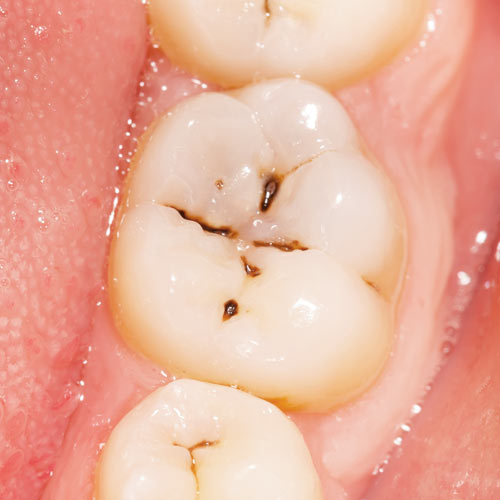
Cavities, which result from a disease process called dental caries, are areas of decay caused by certain oral bacteria. As the decay progresses, the bacteria can eventually invade the living portion of the tooth (dentin and pulp) and is considered a bacterial infection. At that point professional dental treatment is required to remove the infection, stop the disease process and seal the tooth.
This disease process requires certain combinations of conditions in order to progress. So it's likely that you have more of those conditions, or risk factors, than your friend does. Don't beat yourself up; while there are lots of things you can do to minimize risks, there are also factors that aren't so easily controlled.

Tooth Decay Risk Factors

Let's take a look at those risk factors:
  • Oral Bacteria — Cavities start with bacteria that build up on tooth surfaces in a sticky film called plaque where they feed on sugars and carbohydrates from the foods/beverages we consume, creating acids in the process. Acids dissolve the mineral bonds in the protective layer of tooth enamel, which makes it easier for bacteria to penetrate what is otherwise the hardest substance in the human body and infect the tooth. Your unique oral "microbiome" make-up could have more or less of the microbe species implicated in dental caries, and some strains of the same bugs are more aggressive than others.
  • Dental hygiene — Brushing and flossing correctly and regularly helps dislodge bacterial plaque and trapped food particles. Regular checkups and professional cleanings are also important to remove plaque that has hardened into "tartar."
  • Diet — Minimizing your intake of sugary foods and carbohydrates reduces the availability of fuel for cavity-causing bacteria. Meanwhile, acidic foods and beverages can erode enamel, and the more frequently they are consumed, the less opportunity saliva has to restore the mouth to its normal pH.
  • Dry mouth — Saliva contains minerals that help neutralize acids and rebuild tooth enamel. Without a healthy flow, your ability to prevent decay is compromised. Certain medications, chemotherapy and some diseases can cause Dry Mouth. Drinking lots of water and using enamel-fortifying mouth rinses can help counter the effects.
  • Tooth shape — Tooth decay is most likely to develop in back teeth — molars and bicuspids (premolars) — where the tiny fissures on their biting surface tend to trap food and bacteria. Genetics determines how deep your fissures are.
  • Gum recession — Receding gums expose the tooth root, which isn't protected by enamel and therefore more susceptible to decay.
  • Other factors — Gastro-esophageal reflux disease (GERD) and vomiting can create highly acidic conditions in the mouth. Retainers, orthodontic appliances and bite or night guards tend to restrict saliva flow over teeth, promoting plaque formation; fixed appliances like braces can make it more difficult to brush and floss effectively.

For Further Details Book an appointment with us.
Contact Us At: +91 2240147049
iDent, Idyll Dental Clinic
Email: smileident@gmail.com
Website: www.smileident.com

Saturday, 23 July 2016

Art Meets Science in Crowns and Bridgework
Skilled portrait painters make their subjects' teeth look real by utilizing a careful blend of form, color and brushwork. We as Dentists may use a different set of materials and techniques, but the end result is the same: a pleasing, natural-looking smile. Placing crowns and bridgework is one facet of dentistry where art truly meets science.
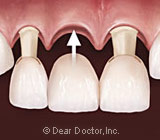
Crowns and bridges are effective methods of restoring damaged or missing teeth.If a damaged tooth has intact roots, a crown (or cap) can be fabricated, to completely cover a tooth's surface above the gum line. When one or more teeth are absent, a bridge can be made. First, the teeth in either side of the missing one(s) — the abutment teeth — are prepared for crowning. Then a single “bridge” is expertly crafted to replace the missing teeth, and the bridge is securely attached to the abutments.
Where does the art come in? It's evident in the materials selected for the restoration, and in the craftsmanship of the lab that produces it. We can help you choose from among several options for crown or bridge material, such as porcelain (including high-tech ceramics) or porcelain-fused-to-metal restorations. Working with our partners in the dental laboratory, our dental office can make an esthetically pleasing and fully-functioning restoration that's almost impossible to tell from your natural teeth.

To book an appointment with us
Call us at: +912240147049
iDent, Idyll Dental Clinic
Email: smileident@gmail.com
Website: www.smileident.com

Tuesday, 5 July 2016

10 Worst Behaviors For Teeth
         
 
10 Worst Behaviors For Teeth You brush and floss regularly and see us twice a year for professional cleanings and checkups. Good for you! Diligent oral hygiene is the cornerstone of a healthy smile. But for all your positive effort, you may be doing other things in your daily life that are putting your pearly whites’welfare at risk!
Here are 10 behaviors that can cause either immediate damage to your teeth (like chipping and cracking) or damage over time (like erosion of the tooth’s protective enamel coating or gum recession).

Using the Wrong Toothbrush

Using a brush that’s too hard can cause your gums to recede and abrasion damage to tooth root surfaces. A soft-bristled, multi-tufted brush is ideal.

Brushing Too Forcefully and Frequently

Even with the right brush, you can still damage teeth and irritate gyms by applying it too forcefully. A gentle whisking is all that’s needed to break up bacterial plaque buildup on tooth surfaces. Ask us about the proper technique if you’re not sure.
Brushing too often can also be damaging over time. Twice a day — morning and night — is sufficient.
And, brushing immediately after eating can erode tooth enamel, which is weakened by acidity in foods and beverages. Wait at least 30 minutes.

Nail Biting

This nervous habit exerts “parafunctional” (outside what’s normal) bite forces that can wear down teeth and cause small fractures and chips.

Grinding and Clenching

Bruxing, the dental term for tooth grinding as well as jaw clenching, exerts excessive bite forces that can result in tooth wear, fractures or looseness, jaw pain and other symptoms. It often occurs while people sleep; a night guard can help protect against damage.

Chewing Ice Cubes

Some blenders have special blades to crunch through ice cubes; imagine the effect of doing the same thing with your teeth! The force it takes your teeth (and jaws) to crunch through frozen water is far beyond what they’re designed to withstand.

Using Your Teeth as Tools

Teeth are designed for eating, not for tearing tags off clothing, ripping open a bag or unscrewing bottle tops. Misusing them is a recipe for fractures, chips and cracks.

Playing Contact Sports Without a Mouth Guard

Mouth guards are an important piece of athletic equipment that can protect your teeth from blows to the face and head and reduce the risk of broken or lost teeth, cut lips and other damage.

Dry Mouth

Saliva is important to oral health, as it neutralizes enamel-damaging acidity in your mouth and contains minerals that strengthen enamel. Dry mouth increases your risk of enamel erosion, cavities, and bad breath.

Sugary Foods and Beverages

Sugary foods and drinks increase the risk of tooth decay. Sugar and carbohydrates (which break down into sugar) are favorite snacks for certain oral bacteria, which produce cavity-causing acid as they digest.

Serial Coffee or Soda Drinking

Coffee and soda — regular and diet — are highly acidic. Sipping them throughout the day bathes your teeth in damaging acidity and doesn’t give saliva a chance to neutralize it.


To book an appointment with us
Call us at: +912240147049
iDent, Idyll Dental Clinic
Email: smileident@gmail.com
Website: www.smileident.com

Wednesday, 8 June 2016


BE SMART AND GET THAT CHIPPED TOOTH FIXED: BECAUSE ITS MUCH EASIER THEN EXPECTED.


A chipped tooth makes an impression — but not necessarily a good one!
Case in point:  Jim Carrey’s dopey character Lloyd Christmas in the comic films “Dumb and Dumber” and its sequel. Lloyd’s chipped front tooth was a deliberate choice by the actor to make his character appear more “deranged” every time he opened his mouth.


Treatment for Aesthetics & Health

Fortunately, it’s easy to repair this type of dental damage. There are several options available depending on the nature of the chip and whether you’ve been able to locate and save the otherwise undamaged missing piece.
It’s important for your oral health as well as your appearance to schedule a dental appointment for evaluation and treatment of chipped tooth. If dental pulp at the center of the tooth has been exposed, your tooth could become hypersensitive to temperature and pressure, causing recurring discomfort. The pulp could also become infected, resulting in a need for root canal treatment.

Bonding — Rejoin/Re-create Missing Piece


Dental Cosmetic Bonding  is the quickest and lowest-cost option to repair a chip. (That’s how Jim Carey had his chipped tooth fixed in childhood; he had his dentist temporarily “unbond” it for the movie!) Bonding involves application of a composite filling material that we will color and shape to match the original tooth. Little to no removal of existing tooth surface is needed.
If you have preserved the chipped-off portion of tooth and it is otherwise undamaged, we can use bonding to seamlessly reattach it. Otherwise, depending on the extent of tooth loss, bonding material can be used to replace the lost portion.

Apply a Veneer — Hide the Chip

A Dental Veneer can be used to hide smaller areas of missing tooth. This is a thin, custom-made shell placed on the front of the tooth to give it a new façade. Some removal of existing tooth surface may be necessary to fit a veneer so it is flush with the surfaces of surrounding intact teeth.

Get a Crown — Cover Everything


A crown may be the best choice if a relatively large portion of the tooth is missing. It fully encases the visible portion of the remaining tooth (also known as the crown) above the gum line and is shaped and sized to match the original. It can be made of all ceramic (optimal for highly visible areas) or porcelain fused to metal crowns. In both cases, the material will be colored to match your other teeth. Some of the existing tooth surface will be removed to allow the crown to fit over it.

Chipped-Tooth Prevention

Accidents happen, but there are steps you can take to substantially reduce the risk of ever experiencing a chipped tooth — for example, wear a dental bite guard while playing sports, don’t grind or clench your teeth, don’t crunch on ice chips or hard candies, and don’t use your teeth as a tool for opening things!

To book an appointment with us
Call us at: +912240147049
iDent, Idyll Dental Clinic
Email: smileident@gmail.com
Website: www.smileident.com

Wednesday, 11 May 2016


How To Overcome 
Dental Anxiety

Dental anxiety is one of the most common phobias in the world with nearly a third of all adults disliking the dentist and 1 in 10 of us having a phobia so strong that we actually avoid making visits to the dentist. Dental fear is a problem that needs to be tackled head on however as our oral hygiene is incredibly important for our health. With that in mind I thought it would be worth examining the strategies and techniques you can use to overcome dental anxiety.

Overcoming Mild Dental Anxiety

Mild dental anxiety is discomfort and nervousness at the dentist (as opposed to terror and panic). It can be treated in a number of ways.

Talking to your dentist 

Talking to your dentist is the first step to overcoming your dental fears. Make sure your dentist understands your exact fears and work with them to make your appointment as relaxed as possible by taking breaks and letting them put you at ease.

Practicing breathing techniques
Controlled breathing relaxes your body and shifts your focus to other things in order to preoccupy your mind. This is fantastic when you are at the dentist as you can avoid a lot of discomfort and anxiety. The easiest breathing techniques simply involve inhaling and exhaling through your nose for a slow count of three - so three seconds breathing in followed by three seconds breathing out. This technique is particularly useful as it also overcomes the breathing issues many of us feel when things are in our mouth.

Using relaxation techniques
There are a number of relaxation techniques that may work for you. You could bring music into your appointment with you, ask to have your favorite radio station on or just have the nurse chatting to you about something. Different relaxation and distraction techniques work for different people so try and find something that will work well for you.

Overcoming Severe Dental Anxiety
Severe dental anxiety often cannot be treated by the steps above - though all of these techniques can and should be used to try and put you at ease.
When it comes to severe dental anxiety we are dealing more with a psychological phobia that is less due to nerves and more due to fears. We can potentially overcome severe dental anxiety in a few ways.

Counseling
You can receive counseling for your phobia. This will aim to look at the root causes of your phobia and will try to work through it so that you can move beyond it.

Sedation
Though not a preferred treatment option for severe sufferers of dental anxiety, sedation may prove one of the best solutions to the problem, giving you a better chance of visiting the dentist again!
There are different types of sedation available. The simplest is oral sedation, which is a tablet that you swallow an hour before the start of dental treatment. You will still be awake and aware of what is happening around you, but you will be also drowsy and more relaxed.
If that isn't enough, you could also opt for intravenous sedation. This is an injection which is often administered into the back of the hand. Again you will still be awake, however you will be in a deeply relaxed state and you may not remember what happened afterwards.


For Further Details Book an appointment with us.
Contact Us At: +91 2240147049
iDent, Idyll Dental Clinic
Email: smileident@gmail.com
Website: www.smileident.com