Saturday, 2 April 2022
Friday, 25 March 2022
Secret behind that pearly bright confident smile!
Secret behind that pearly bright confident
smile
Everyone wants a PEARLY bright smile but not all are blessed with it.
A lot of daily activities can have impact on your teeth and their color.
We can help you understand the reasons behind it.
And also help you to get that perfect confident smile.
Teeth stain for many reasons, including your food and drink choices, oral hygiene, and medication use. Teeth stains occur on the surface of the tooth or below the tooth enamel and some people develop both types of teeth stains.
Types of Tooth
Discoloration (Stains)
Tooth discoloration can occur as a result of surface stains, due to actual changes in your tooth material, or because of a combination of both factors.
- Extrinsic Teeth
Stains: An extrinsic tooth stain is staining on the surface of the tooth.
It occurs when stain particles, build-up in the film of protein that covers the
tooth enamel. This type of tooth stain responds well to regular dental cleaning
and brushing the teeth with whitening toothpaste.
- Intrinsic Teeth
Stains: An intrinsic tooth stain is staining below the surface of the
tooth. It occurs when stain-causing particles work through the exterior of the
tooth and accumulate within the tooth enamel. Excessive fluoride use have been
associated with intrinsic stains, especially in children. An intrinsic tooth
stain is trickier to remove, but it can be done. An intrinsic tooth stain may
require bleaching using professional or at-home chemical teeth-whitening
products.
- Age-Related Teeth Stains: Age-related teeth stains combine the results of both intrinsic and extrinsic tooth discoloration. Because the core tissue of your teeth, the dentin, naturally yellows over time, teeth discolor with age. As we age, the enamel that covers the tooth becomes thinner, allowing the dentin to show through.
Causes:
- Food and beverages
- Medications
- Tobacco products
- Diseases
- Injury
- Environment
- Age
- Antibiotics
- Preventions
Changing your life
style can prevent you from teeth stains.
- If you are a heavy coffee drinker or a heavy smoker try to reduce it or quit it altogether.
- Improve your dental hygiene by brushing and flossing regularly can help you to clean the food which stuck in between your teeth.
- Go for a dental checkup every 6 months.
- Usage of proper brushing techniques and the avoidance of food as well as beverages which cause stains.
- There are many home tooth whitening products to remove teeth
stains on the market.
Are you considering teeth whitening
to help reinvigorate a smile tainted by discoloration? Professional, in-office teeth whitening is the most
popular cosmetic dental procedure in the world today. Unlike home-use systems
that incorporate low-dose bleaching agents, in-office whitening takes place
under carefully monitored conditions which allow for the safe, controlled,
pain-free use of a relatively high concentration of bleaching gel – yielding
results that are visible immediately.
Advantages
- Produces fastest results.
- This is the safest form of bleaching.
- Gum and tooth sensitivity (formerly drawbacks to in-office bleaching) are more controllable today due to thicker peroxide gels (that don’t soak into the teeth as much as previous gels) and the use of desensitizers such as potassium nitrate and fluoride.
Disadvantages
- More expensive than take-home alternatives.
- Results can be unpredictable, depending on factors such as age, heredity and the type of staining that is present.
- In-office bleaching is not a permanent solution. Shortly
after treatment is completed, the teeth resume accumulating stains. Many
dentists therefore recommend home maintenance follow-up with a lower-percentage
bleach that can be kept on the teeth for longer periods of time.

To
know more about teeth whitening, you can
visit us!
iDent,
Idyll Dental Clinic
To
book an appointment with us:
Call
us at: +912240147049/09321330133
Email:
smileident@gmail.com
Website:
www.smileident.com
Monday, 21 March 2022
Friday, 11 March 2022
Tuesday, 8 March 2022
Saturday, 5 March 2022
Dentistry is not just about teeth!
Dentistry is not just
about teeth!
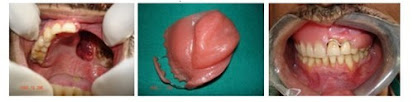
Maxillofacial
Prosthetics is a
sub-specialty of Prosthodontics that involves rehabilitation of patients with
defects or disabilities that were present when born or developed due to diseases.
Prostheses are often needed to replace missing areas of bone or tissue and
restore oral functions such as swallowing, speech, and chewing.
It can
help patients with intra oral defect and extra oral defect with respect
to nose,
eyes, ears or combined.
The
objectives of these prosthesis is :
- Restore
function
- Esthetics
- Protection
- Promote
healing
- Psychological support Prosthesis for intraoral Defect:
Saturday, 26 February 2022
Bad Breath? Tips to get rid of the problem.
- Specific food
- Tobacco and alcohol consumption
- Poor dental hygiene
- Dry mouth.
- Medications: Some medications can indirectly produce bad breath by contributing to dry mouth. Others can be broken down in the body to release chemicals that can be carried on your breath.
- Many diseases can causes halitosis: Seasonal allergies, Respiratory tract infections, post nasal drip, diabetes, Chronic acid reflux, Chronic lung infection, Gastrointestinal issues, Liver and kidney diseases.
Treatment:
To reduce bad breath, consistently practice
good oral hygiene. Further treatment for bad breath can vary, depending on the
cause. If your bad breath is thought to be caused by an underlying health
condition, your dentist will likely refer you to your general physician.
For causes related to
oral health, your dentist will work with you to help you better control that
condition. Dental measures may include:
·
Mouth
rinses and toothpastes. If
your bad breath is due to a buildup of bacteria (plaque) on your teeth, your
dentist may recommend a mouth rinse that kills the bacteria. Your dentist may
also recommend a toothpaste that contains an antibacterial agent to kill the
bacteria that cause plaque buildup.
·
Treatment
of dental disease. If you have gum
disease, you may be referred to a gum specialist. Gum disease
can cause gums to pull away from your teeth, leaving deep pockets that fill
with odor-causing bacteria. Sometimes only professional cleaning removes these
bacteria. Your dentist might also recommend replacing faulty tooth
restorations, a breeding ground for bacteria.
- Do
Brush And Floss – Plaque
is a sticky film that forms on your teeth and accumulates microorganisms
that produce bad breath. Food that has been trapped adds to the situation.
At least twice a day, brush your teeth and floss at least once. If you’re
worried about your breathing, do both more frequently. But be careful not
to overdo it. Brushing your teeth too forcefully can wear them down and
leave them vulnerable to decay.
- It
Is Important To Rinse Your Mouth – Aside
from refreshing your breath, mouthwash also provides additional protection
by removing microorganisms. The taste of fresh mint might make you feel
fantastic. However, make certain that the mouthwash you select destroys
the microorganisms that cause bad breath. Don’t simply mask the odor. Stop
bad breath at its root by rinsing with a decent mouthwash on a daily
basis. Swishing your mouth with plain water after eating might also aid
your breath. It can remove food particles caught between your teeth.
- Do
Scrape Your Tongue – The
natural coating that grows on your tongue can serve as a breeding ground
for stinky bacteria. Brush your tongue gently with your toothbrush to get
rid of them. If your brush is too big to reach the back of your tongue
comfortably, use a scraper.
- No
Intake Of Food That Sours Your Breath – The compounds that create their foul odors enter your
circulation and travel to your lungs, where they are exhaled. What is the
most effective method of resolving the issue? Don’t consume them, or at
the very least stay away from them before going to work or seeing friends.
- Give
Up The Tobacco Habit – Smoking
can harm your gums, discolor your teeth, and give you poor breath, in
addition to causing cancer. Nicotine patches sold over-the-counter can
help you control your cravings. Make an appointment with your doctor to
discuss stop-smoking programs or prescription drugs that can help you quit
smoking for good if you need it.
- It
Is Important To Stay Hydrated – A
dry mouth can also be the reason for bad breath. Therefore, make sure that
you drink an adequate amount of water on a regular basis. This will lead
to the proper flow of saliva into your mouth.
- Do Consult Your Dentist – If adopting these measures is not yielding any fruitful results, do not hesitate to consult the dentist.
iDent, Idyll Dental Clinic
To book an appointment with us:
Call us at: +912240147049/09321330133
Email: smileident@gmail.com
Website: www.smileident.com
.jpg)
.jpg)
.jpg)
.jpg)
.jpg)