Saturday, 21 September 2024


Trauma from Occlusion

Trauma from occlusion occurs when your bite isn’t aligned properly, causing excessive pressure on certain teeth. This can lead to discomfort, tooth sensitivity, and even damage if not treated early.


Causes Trauma from Occlusion?

  1. Crooked teeth or missing teeth can cause an uneven bite.
  2. Grinding or clenching your teeth, especially at night, can stress the teeth and jaw
  3. Poorly fitted crowns or fillings can change how your teeth fit together.
  4. Sudden changes in tooth alignment due to injury or braces may result in occlusal trauma.

Signs of Occlusal Trauma

  • Tooth pain or sensitivity when chewing
  • Worn or chipped teeth
  • Jaw pain or headaches
  • Loose or shifting teeth
  • Gum recession

Treatment Options

  1. Bite Adjustment.
  2. Orthodontic treatment
  3. Mouthguard
  4. Replacing Missing Teeth

Prevention

Regular dental checkups, wearing a mouthguard if you grind your teeth, and addressing misaligned teeth early can prevent trauma from occlusion.

If you experience tooth sensitivity or discomfort, trauma from occlusion might be the cause. Visit your dentist for an evaluation and treatment to avoid further complications.

To book an appointment with us

Call us at: +912240147049/09321330133

iDent, Idyll Dental Clinic

Email: smileident@gmail.com

Website: www.smileident.com 


Saturday, 14 September 2024

Aesthetic restorations 

Aesthetic dental restorations focus on both the function and appearance of your teeth. These treatments not only repair damage but also enhance the overall look of your smile. Whether you're dealing with cavities, chipped teeth, or discoloration, aesthetic restorations offer a natural-looking solution.


Popular Aesthetic Restorations:

  1. Traditional metal fillings can stand out, but modern fillings made from composite resin match your tooth color, making them virtually invisible.
  2. Thin, custom-made porcelain shells are bonded to the front of your teeth to cover imperfections like cracks, gaps, or stains. Veneers are a favorite for creating a picture-perfect smile.
  3. Dental crowns are caps that cover damaged or decayed teeth. They restore strength and appearance, often crafted from porcelain to look like real teeth.
  4. This is a quick, non-invasive procedure where a tooth-colored resin is applied and shaped to correct minor chips, gaps, or irregularities.
  5. For more extensive decay or damage, inlays and onlays fill the space while blending seamlessly with your tooth structure.

The Benefits of Aesthetic Restorations:

These treatments provide a balance of function and beauty. Unlike traditional restorations, aesthetic options are designed to look natural. They restore your teeth’s strength, while improving the look of your smile, boosting confidence, and ensuring comfort.

Caring for Your Restorations:

Good oral hygiene is essential to maintain the longevity of your aesthetic restorations. Regular brushing, flossing, and dental checkups will keep your smile healthy and your restorations in top shape. Investing in aesthetic dental restorations can transform not just your smile, but your overall confidence!

To book an appointment with us

Call us at: +912240147049/09321330133

iDent, Idyll Dental Clinic

Email: smileident@gmail.com

Website: www.smileident.com 


Saturday, 31 August 2024


The Benefits of Using Fluoride in Dental Care

Fluoride has long been recognized as a powerful tool in the fight against tooth decay. Whether in toothpaste, drinking water, or applied by your dentist, fluoride plays a crucial role in maintaining strong and healthy teeth. But what exactly is fluoride, and why is it so beneficial for dental care?

What is Fluoride?

Fluoride is a naturally occurring mineral found in water, soil, and various foods. It’s also added to many dental care products, like toothpaste and mouthwash, and is sometimes present in community water supplies. Fluoride helps to strengthen tooth enamel, the outer layer of your teeth, making it more resistant to decay.


How Does Fluoride Benefit Your Teeth?

  1. Prevents Tooth Decay.
  2. Strengthens Enamel
  3. Reverses Early Decay
  4. Cost-Effective and Accessible
  5. Protects All Ages

How to Incorporate Fluoride Into Your Dental Routine

  • Brushing twice daily with fluoride toothpaste is one of the easiest ways to ensure your teeth are protected.
  • If your community water is fluoridated, drinking tap water can help strengthen your teeth.
  • Your dentist may recommend additional fluoride treatments, especially if you are at high risk for cavities.

Is Fluoride Safe?

Yes, fluoride is safe when used as recommended. Extensive research has shown that fluoride in water and dental products is effective in preventing cavities and poses no risk to health. However, it’s important to use the right amount, especially for children, to avoid dental fluorosis—a condition that can cause minor cosmetic changes in the teeth.

If you have concerns about fluoride or its use, consult with your dentist to ensure you’re getting the right amount for your dental needs.

To book an appointment with us

Call us at: +912240147049/09321330133

iDent, Idyll Dental Clinic

Email: smileident@gmail.com

Website: www.smileident.com 


Monday, 26 August 2024


Gingivitis

Gingivitis is a common and mild form of gum disease (periodontal disease) that causes irritation, redness, and swelling (inflammation) of your gums. If left untreated, it can lead to more serious gum disease and even tooth loss.

What Causes Gingivitis?

Gingivitis is primarily caused by the build-up of plaque—a sticky, colourless film of bacteria on your teeth. When plaque is not removed through daily brushing and flossing, it hardens into tartar, which can irritate and inflame your gums.


Symptoms of Gingivitis

Common signs of gingivitis include:

·       Red, swollen gums

·       Gums that bleed easily when you brush or floss

·       Bad breath

·       Receding gums


Preventing and Treating Gingivitis

The best way to prevent gingivitis is by maintaining a consistent oral care routine:

1.      Brush your teeth at least twice a day with fluoride toothpaste.

2.      Floss daily to remove plaque and food particles between teeth.

3.      Visit your dentist regularly for professional cleanings and check-ups.

4.      Avoid tobacco products, as they can contribute to gum disease.


If you notice signs of gingivitis, consult your dentist. Early treatment usually involves a professional cleaning to remove plaque and tartar, along with improved oral hygiene at home


To book an appointment with us

Call us at: +912240147049/09321330133

iDent, Idyll Dental Clinic

Email: smileident@gmail.com

Website: www.smileident.com 


Tuesday, 20 August 2024

Teeth Whitening

Teeth Whitening

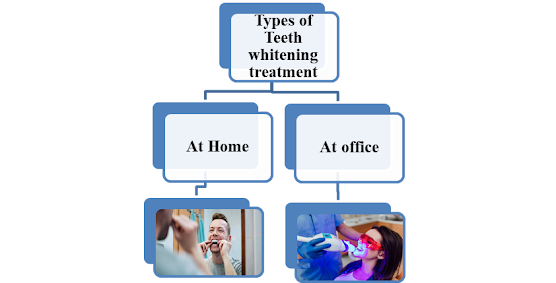
Teeth whitening has become a popular dental procedure, driven by the desire for brighter, more flawless smiles. Options range from home treatments like toothpastes and gels to professional in-office procedures with potent bleaching agents.

What is teeth whitening?

It is the method used to enhance the appearance of teeth by removing stains or discoloration, whether they're caused by external factors or internal factors.


Causes of discolouration:

·       Poor oral hygiene

·       Aging

·       Staining from coffee or tobacco

·       Corrosion from silver fillings


Tips for teeth whitening aftercare:

·       Brush your teeth at least twice a day and floss daily to maintain good oral hygiene.

·       Use a gentle mouthwash after meals when brushing isn’t possible.

·       Quit using tobacco, as it contributes significantly to teeth stains.

·       Your teeth will darken again within 6 months to one year, and you may need to repeat the procedure

·       Consult your dentist about how often you should consider touch-up whitening treatments to keep your teeth healthy.


 To book an appointment with us

Call us at: +912240147049/09321330133
iDent, Idyll Dental Clinic
Email: smileident@gmail.com

Website: www.smileident.com

Friday, 9 August 2024

 DENTAL BRIDGE

What is a dental bridge?   “bridges the gap” in your smile

Dental bridges replace one or a row of missing teeth.

We create a custom bridge that matches the colour, shape and form of your natural teeth.


Parts of dental bridge


Procedure of dental bridge

 
          A missing tooth                      Surrounding teeth prepared

                                           
     Dental bridge created                         Dental bridge in place


Tips to care for dental bridge?

  • Maintain routine oral hygiene using toothbrush, toothpaste and dental floss
  • Avoid extremely hard or sticky foods
  • Don’t chew on ice, pens, pencils or your fingernails
  • Visit us regularly for check-ups and cleaning


To book an appointment with us

Call us at: +912240147049/09321330133
iDent, Idyll Dental Clinic
Email: smileident@gmail.com

Website: www.smileident.com