Friday, 12 September 2014

Teething: Your Babies first..


Teething: How to make your child comfortable through it all..

Teeth actually start developing while your baby's in the womb, when tooth buds form in the gums. Teeth break through one at a time over a period of months, and often — but not always — in this order: First the bottom two middle teeth, then the top two middle ones, then the ones along the sides and back. They may not all come in straight, but don't worry — they usually straighten out over time.
The teeth only start to grow throughout the gums when the baby is 6-9 months old. Other teeth follow over the following months. A child is usually aged around 2½ or 3 when they have their full set of first teeth.
Important Signs :
 

  • Red and swollen gums.
  • Red flushed cheek or face.
  • Rubbing their ears on the same side as the tooth which is coming through.
  • Dribbling more than usual.
  • Waking more at night and generally being more unsettled.
  • Inconsistent feeding.
  • Rubbing their gums, biting, chewing or sucking more.
  • Irritable and unsettled
  • Mild fever and diarrhea.
 
Treatment for teething
  • Many babies and children will have minimal or no symptoms when they are teething so will therefore not need any treatment.
  • Gently rubbing over the infants gums.
  • Many children find that biting on a clean and cool object is soothing (for example, a chilled teething ring).
  • Something to chew on, such as a firm rubber teething ring or a cold washcloth
  • If your child is in pain , then giving medicines such as  infants' acetaminophen, may help(only on Doctor's recommendation)
  • Teething gels (topical)
  • If drool causes a rash on your baby's face, wipe, but don't rub, the drool away with a soft cotton cloth. You can also smooth petroleum jelly on his chin before a nap or bedtime to protect the skin from further irritation.
We do whatever it takes to make our baby comfortable and the good news is : its just a phase which will soon pass leaving cute little pearly whites in the end :)


Wednesday, 3 September 2014


Time to celebrate..


Wish you all a very Happy Ganeshutsav..
 
Team iDENT, Idyll Dental

Saturday, 26 July 2014

Which chewing gum to choose for bad breath fighting ability..


If you chew gum, choose your gum carefully.
Any gum will help with bad breath because the chewing action results in more saliva being produced. Some gums, however, have better bad-breath-fighting abilities than others. These are some factors to consider..
 
Cinnamon flavoring seems to be especially effective in reducing bacteria counts in your mouth.
Look for gum sweetened with xylitol. For one thing, sugar's not good for your mouth. Xylitol is a sugar substitute that actually works to prevent bacteria from replicating in the mouth.
Chewing gum stimulates saliva production (in addition to covering up the odor with some kind of scent). Mints do not encourage saliva production which is good for better oral health.
 

Friday, 13 June 2014

TIPS FOR GOOD ORAL HEALTH FROM 1YEAR TO 2 YEARS OF AGE..


FROM 1YEAR TO 2 YEARS OF AGE 


           Take your child for a first dental visit at 12 months.
          Brush your child’s teeth daily (using non-fluoridated toothpaste).
          Check for signs of early childhood tooth decay once a month. Lift your child’s upper lip and look for chalky-white or brown spots on the teeth or along the gum line. If you see any, take your child to a dentist as soon as possible. Your dentist may suggest you start using a small amount (the size of a grain of rice) of fluoridated toothpaste.
          Switch to a regular cup for all drinks between 12 and 15 months.
Limit soother use to nap and bedtime.

Saturday, 7 June 2014

Tips for Good Oral Health in an Infant


TIPS FOR GOOD ORAL HEALTH FROM BIRTH TO 12 MONTHS


·         1. Wipe your baby’s gums with a soft, clean, damp cloth twice a day.
·         2. As soon as the first teeth appear, clean them at least once a day (usually at bedtime) with a soft bristle toothbrush designed for babies. Lay your baby on a flat surface or with his head cradled in your lap to brush teeth.
·         3. Avoid leaving your baby in bed with a bottle.
·         After 6 months:
·         4. Introduce a sippy cup.
·         5. Avoid juice. If you do offer it, limit juice to no more than 125 to 175 mL (4 to 6 oz) per day, in a cup rather than a bottle and only as part of a meal or snack.
·         6. If a bottle is needed at nap time, offer water rather than milk or juice.
·        7. If you breastfeed before naptime, be sure to clean your child’s teeth before he goes to sleep.
·        8. Never sweeten a teether or soother.


Thursday, 29 May 2014

Does green tea stain the teeth?


Does green tea stain the teeth?
 
Unfortunately, the answer is yes.
 
Green tea today is the most consumed beverage amongst youngsters and adults.


Just like coffee and wine, black tea and (over time) green tea, will change the color of your pearly whites to a color not so pearly
Drinking green tea can cause lasting discoloration, but it is possible to reduce staining by developing healthy oral care habits.
At home, simple things such as :

-brushing your teeth regularly can help.
-Brushing twice a day is good, but brushing immediately after you drink a cup of tea is even better.
- Drinking water after a cup of tea can help reduce the amount of tannin left in your mouth, too
-Get professional clean ups regularly.


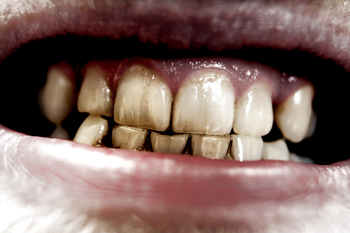
Dental Fluorosis

Wednesday, 28 May 2014

Which Toothbrush is Really Better???


Which Toothbrush is Really Better - Manual or Electric?
With all the bells and whistles and hundreds of toothbrushes on the market, you've got to wonder, which is really the best toothbrush to buy -- manual or electric?

 According to the Academy of General Dentistry, the best toothbrush that you can buy is the one that you will actually use. That's it. Yes, it's really that simple. While both electric and manual toothbrushes have some pros and cons, the bottom line is which one you will use.

 Manual Toothbrush:
Pros
• Inexpensive
• Most have an easy grip handle
• Some come with a tongue scraper
• Easy to travel with  

Cons
• No built in timer to tell you when two minutes are up
• Can be difficult for some people to hold onto firmly
 
Electric Toothbrushes
Pros
• Most have larger ergonomic handles
• Some have built in timers that let you know when you have brushed for a full two minutes
• The feel and buzzing of an electric toothbrush feels good to a lot of people
• Some electric toothbrushes dispense toothpaste
• Its pressure sensor alerts you when you’re brushing too hard

 Cons
• Some electric toothbrushes can be quite expensive
• Most electric toothbrushes require charging or battery replacement

  Although almost any toothbrush can do an effective job, research suggests there is one electronic toothbrush bristle configuration that seems to be better at removing plaque and preventing gum disease. Electric toothbrushes with bristles that rotate together in one direction, and then switch and rotate in the opposite direction — a process known as rotating-oscillating — appear to be more effective than manual brushes and other electric brushes that spin in only one direction.
If you do opt for an electronic toothbrush, a model with rotating-oscillating bristles is probably your best bet.
Whatever toothbrush that you decide to buy, remember that using it is what's really important.