
Monday, 21 February 2022

Saturday, 12 February 2022

Saturday, 5 February 2022
Dental humour

Stained teeth are often treated with complete cleaning (scaling) of teeth and teeth whitening procedure.
☺☺☺☺👆☺☺To know more visit us!
iDent, Idyll Dental Clinic
To book an appointment with us:
Call us at: +912240147049/09321330133
Email: smileident@gmail.com
Website: www.smileident.com
Monday, 24 January 2022
Floss like a Boss
Floss like a Boss
Flossing is an important oral
hygiene habit. It cleans and
dislodges food stuck between your teeth, which reduces the amount of
bacteria and plaque in your mouth.
Improper flossing can
potentially damage your teeth and gums.
The ADA recommends flossing at least once per day and brushing twice
per day.

Generally
recommended to floss and then brush your teeth. Flossing helps lift and release food and plaque stuck in between your
teeth, while brushing removes these particles from your mouth. If you brush
first and floss afterward, food and plaque remains in your mouth until the next
time you brush.
Types of dental
floss
Standard floss: This is a thin, nylon strand that can
fit in between teeth. It comes flavored or unflavored as well as waxed or
unwaxed. If your teeth are crowded or closer together, dental floss with a wax
coating can make it easier to get in between them.
Super floss:This dental floss threader can work with
braces, bridges, and gaps. It has three components: a stiffened end for
flossing underneath appliances, spongy floss to clean around your appliances,
and regular floss to eliminate plaque underneath your gumline.
Water Flosser: It which uses
water and pressure to remove plaque and food from in between teeth. A water
flosser is also useful if you have braces. This device can clean in between
brackets and wires.
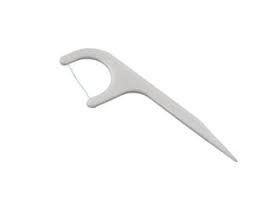
Disposable
floss picks: They’re easy to use and can help you floss hard-to-reach teeth
in the back of your mouth.
Flossing instructions
- ·
Take about 18 to 24 inches of dental floss. To hold the floss
correctly, wind most of the floss around both of your middle fingers. Leave
only about 1 to 2 inches of floss for your teeth.
- ·
Next, hold the floss taut with your thumbs and index fingers.
- ·
Place the dental floss in between two teeth. Gently glide the
floss up and down, rubbing it against both sides of each tooth. Don’t glide the
floss into your gums. This can scratch or bruise your gums.
- ·
As the floss reaches your gums, curve the floss at the base of
the tooth to form a C shape. This allows the floss to enter the space between
your gums and your tooth.
- · Repeat the steps as you move from tooth to tooth. With each tooth, use a new, clean section of floss.

Water Flosser:
Many
people find water flossing easier and more pleasant than using string floss,
and they may floss more often as a result. It was
also 26% better than flossing and 53% better than just brushing in
terms of reducing bleeding gums. The ability to manipulate the water flosser to
direct the water towards the teeth and gums makes it a lot easier to use when
cleaning.
Gum disease prevention and treatment is another reason to use a water flosser. Water Flossers are clinically proven to reduce gingivitis, remove plaque, and improve gum health. It is especially useful for cleaning braces and other orthodontics, as well as cleaning bridges, crowns, and dental implants.
Water flossers are helpful for people with dexterity issues, such as arthritis, who find string flossing difficult.
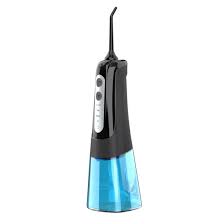
How to use a water flosser
· Supply the water source — This may mean connecting it to the water tap or filling the reservoir with lukewarm water.
· Placement — Place the nozzle in your mouth and, starting with your molars, hold the irrigator away from your teeth and gums rather than directly against them. You may want to lean over the sink now, so you don’t splash water on your countertop when you turn it on.
· Select pressure setting and turn on — There will be either an on-button or a dial that adjusts the water pressure. Start with the lowest pressure setting and work your way up. Make sure the pressure is high but comfortable. You can close your lips to prevent the water splashing but be sure to allow the water to drain out into the sink.
· Follow gum line — Going tooth-by-tooth, direct the water at your gum line and areas between teeth. Aim for the top of the tooth, baseline of the gum, and the space between each tooth. Hold the water over each tooth for about two seconds, repeating the process on the inside and outside of your teeth until your whole mouth is treated. It should take you about two minutes to complete.
· Empty the reservoir — Once you’re done, turn off the device, remove the nozzle and drain the remaining water. Leaving stale water in your reservoir can cause bacteria to grow.
· Clean your device — Remember to rinse your water flosser’s reservoir after every session, to ensure it is hygienic.
iDent, Idyll Dental Clinic
To book an appointment with us:
Call us at: +912240147049/09321330133
Email: smileident@gmail.com
Website: www.smileident.com
Tuesday, 21 December 2021
Know more about Fractured teeth!
Fractured
tooth
When teeth crack or break, this is called a fractured tooth.
Treatment depends on the
location, severity, and type of the crack.
Fractured
tooth symptoms
A visible crack, chip, or fracture might be obvious, but
some hairline tooth fractures may be hard to detect visually. Any part of the
tooth typically can be cracked, not just the part that you can see.
Here are a few signs that you might have a fractured
tooth:
• Sharp pain while eating,
especially when chewing or biting down
• Sudden hot or cold
sensitivity
• Pain that comes and goes
• Swollen gums around the
cracked tooth
To help
diagnose a cracked tooth, your dentist will probably do the following:
1. Ask about your dental
history, such as whether you chew on a lot of hard foods or grind your teeth.
2. Make a visual
examination.
3. Feel for the crack.
4. Use a dental dye, which
can make the crack stand out.
5. Probe your gums looking
for inflammation.
6. Dental X-ray.
Types of tooth
fractures
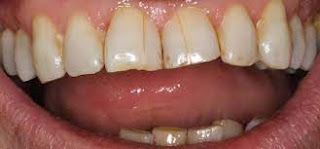
·
Craze lines – Craze lines are tiny cracks that only affect the outer
layer of the teeth. They are common in all adult teeth and don’t cause any
pain. While they’re technically tiny fractures, craze lines don’t constitute a
fractured tooth emergency.
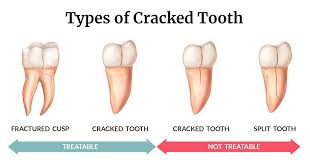
• Cracked
tooth
• Fractured
cusp
• Vertical
root fracture
• Split
tooth
If
your tooth is cracked or fractured, don’t
panic.
Ways
for temporarily relieving pain or discomfort.
1.
Immediately rinse
the mouth with warm water to clean the area.
2.
Call your dentist
right away.
3.
See your dentist
(or visit an emergency clinic) as soon as possible for emergency treatment.
4.
Put cold
compresses on the face to keep swelling down.
5.
Avoid chewing with
the affected tooth.
What can typically cause a fractured tooth?
- Biting
down too hard on a piece of food
- Excessive
teeth grinding
- Being hit
in the face or the mouth
- Cavities
that weaken the rest of the tooth
- Large
existing fillings that weaken the rest of the tooth
Fractured tooth treatment
- Bonding
- Crowns
- Extractions
- No
treatment . Some tooth cracks such as craze lines are harmless and
require no treatment at all.
How to prevent tooth fractures
- Don’t
chew on hard objects such as popcorn kernels, ice, or pens.
- Don’t
clench or grind your teeth.
- Wear a
mouthguard or protective mask when playing contact sports.
- Don’t use your teeth as tools. For example, to cut masking tape.
- Practice
good oral hygiene at home by brushing your teeth twice a day, cleaning
between your teeth daily, and limiting consumption of sugary foods and
drinks
- Visit the
dentist regularly twice a year.

To book an appointment with us:
Call us at: +912240147049/09321330133
Email: smileident@gmail.com
Website: www.smileident.com
Wednesday, 24 November 2021
Do you clean your tongue every day?
Do you clean your tongue
every day?
The tongue is vital for chewing and swallowing food,
as well as for speech.
The large surface area and papillae of the tongue that promote
tongue coating by retaining microorganisms and oral debris consisting of food, saliva
and dead epithelial cells.
Tongue cleaning is done less often than tooth brushing, flossing,
and using mouthwash.
Tool used for tongue cleaning is called a tongue cleaner
(also called a tongue scraper or tongue brush). They are made from plastic, copper and
stainless steel.

- Reduces
sulfur compounds that cause bad breath. (Although scraping can help banish bad
breath, consistency is the key.)
- Reduces
bacteria on the tongue.
- Contributes to a fresher-feeling mouth.
- Reduces plaque. Prevents dental caries and periodontal disease
- Improve your sense of taste.
- Improve the appearance of your tongue. .
- Improves overall health.
How to perform a
tongue scraping?

To perform tongue scraping, follow
these steps:
- Stand in
front of a mirror, open your mouth, and stick out your tongue.
- Gently set
the rounded end of the tongue scraper at the back of your tongue.
- If you’re
worried about gagging, you may find it helpful to start at the middle of
your tongue. You can gradually start from farther back as you get used to
scraping.
- Gently touch
the scraper to your tongue. Slowly pull it forward, toward the tip of your
tongue. You should never push the scraper from the tip of your tongue
back. Always go from the back of the tongue to the tip.
- After each
scrape, use a washcloth or tissue to remove debris from the scraper.
- Repeat until
you’ve scraped the entire surface of your tongue. One to two scrapes
across the same area is usually enough.
- Wash the
tongue scraper with warm water and soap, dry, and store in a clean, dry
area.
The entire process usually takes less than two
minutes. At a minimum, scrape your tongue when you brush your teeth. Repeat as
needed throughout the day.
Things to remember:
- Improper use of a tongue cleaner may induce the gag reflex and/or vomiting.
- Overuse of a tongue cleaner may also cause damage to the taste buds.
- It’s also possible to accidentally cut
the surface of your tongue with the scraper. You should be mindful of how much
pressure you’re applying.
Whether you use a tongue scraper, toothbrush, or
oral mouth rinse, tongue cleaning is a good addition to your daily oral health
practices. If you notice any unusual changes to your tongue, don’t hesitate to
talk to a doctor or a dentist.
iDent, Idyll Dental
Clinic
To book an
appointment with us:
Call us at: +912240147049/09321330133
Email: smileident@gmail.com
Website: www.smileident.com
Thursday, 18 November 2021
Why Dental Checkup During Pregnancy is Important!
Why Dental Checkup During Pregnancy is
Important!

If present before pregnancy, it
worsens.
- Gestational gingivitis ( Pregnancy Gingivitis)
During
pregnancy, increased levels of the hormone, progesterone, cause an increased
response to plaque bacteria which can lead to gingivitis (gum disease).
As
a result, pregnant women are more likely to develop gingivitis.

- Gingivitis (if not treated) → Periodontitis (if not treated) → Loose teeth
- Morning sickness (Acidic Vomit) → Wear of enamel → Sensitivity
·
Tips: Do not Brush immediately, wait for 15
mins or
Rinse with water to neutralize the acid.
Tips: Try to substitute sweets
with healthy food rich in Calcium and Vitamin D.
Eg: Milk, cheese, eggs, unsweetened
yogurt or fish.

Note: Preterm Birth can happen due to gum
disease.
- Bacteria enter baby’s bloodstream from the mother.
- To which the baby produces prostaglandins ( hormone-like molecule) in response.
- Lead to Uterus contractions causing Preterm labour.
- Low birth weight due to preterm birth causes more healthy related challenges for the babies.
iDent, Idyll Dental Clinic
To book an appointment with us:
Call us at: +912240147049/09321330133
Email: smileident@gmail.com
Website: www.smileident.com
Subscribe to:
Posts (Atom)